
Planning Lessons with Clear Learning Goals
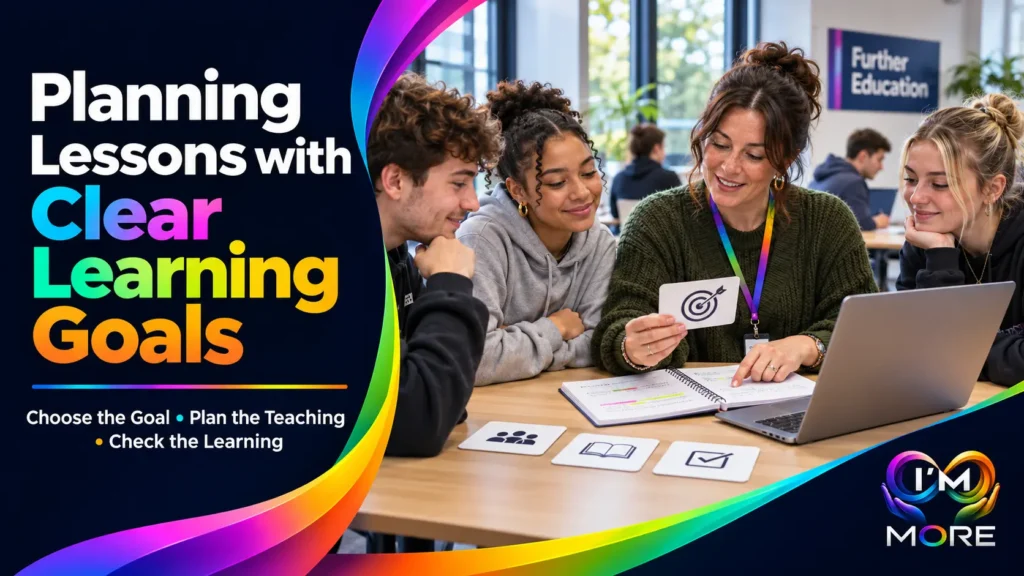
A busy lesson can finish with completed worksheets and still leave the teacher unsure what anyone learned. Learners may remember the activity without understanding the idea it was meant to teach. Planning begins to become more useful when we can describe what learners should know or do afterwards, and decide how we will recognise that […]
Using Worked Examples to Teach New Skills
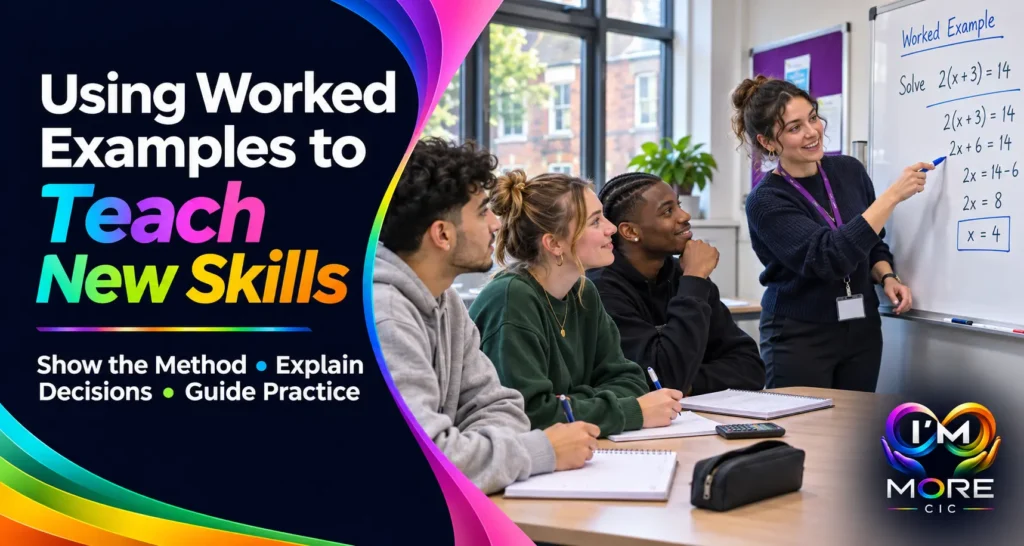
Using Worked Examples in Teaching Watching a teacher produce a correct answer can make a task look straightforward. The difficulty appears when learners try it themselves and cannot see how to make the first decision. A finished answer shows the destination, but learners may also need to understand the choices that produced it. A worked […]
Creating Calm and Consistent Classroom Routines
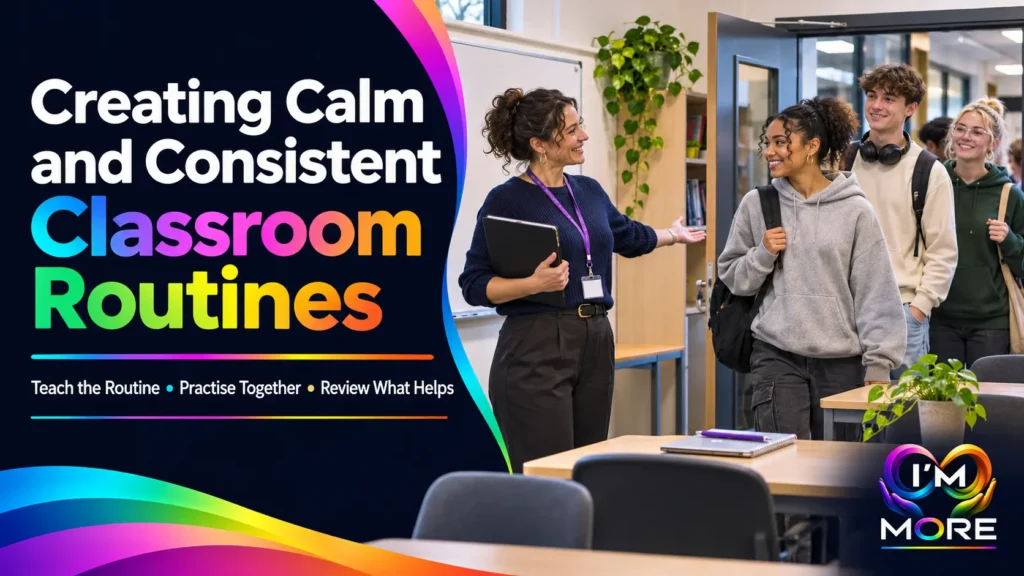
A lesson can lose useful time when learners are unsure how to begin, collect materials or ask for help during independent work. The teacher may repeat instructions while some learners wait and others make different assumptions. Clear routines can make these ordinary moments easier to navigate and leave more attention available for the learning itself. […]
Teaching Subject Vocabulary with Confidence
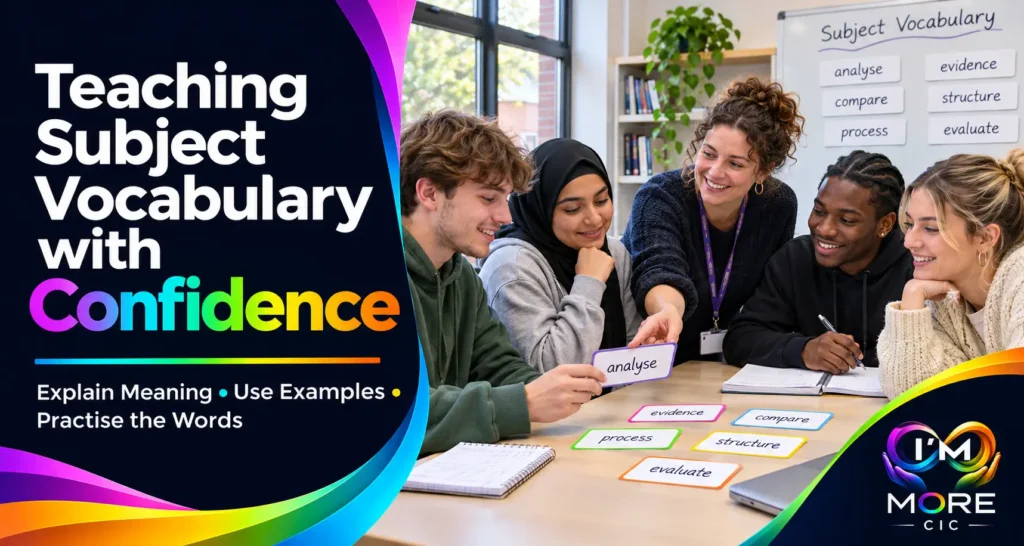
A learner can understand an idea in everyday conversation and become unsure when the same topic appears in unfamiliar subject language. Words such as proportion, inference or specification carry meanings that matter in particular lessons. If teachers assume those meanings are already understood, learners may struggle to follow an explanation before they have reached the […]
Giving Feedback Learners Can Use
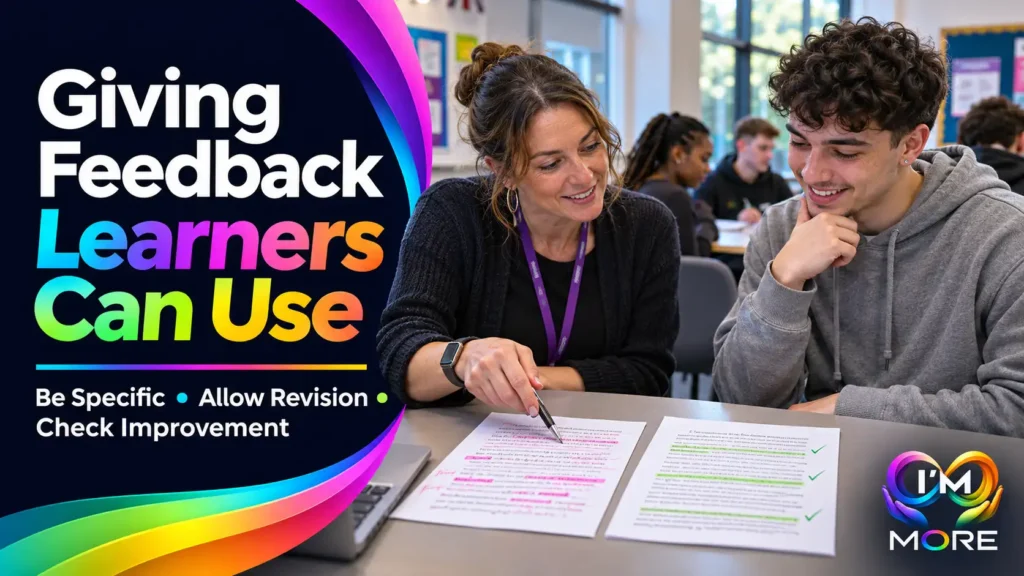
A learner can receive a page of comments and still be unsure what to do next. ‘Add more detail’ may sound helpful to a teacher who can already see what is missing. To the learner, it can leave the original difficulty untouched. Feedback needs a clear connection between the work, the intended learning and an […]
Teaching Young People to Recognise Their Own Progress
A young person can improve without feeling that anything has changed. They may still need help, still find some tasks difficult and still compare themselves with someone who appears further ahead. When progress is understood only as a qualification or a job offer, the learning that makes those outcomes possible can disappear from view. Teachers […]
How to Turn Your Interests Into Opportunities

Freedom Can Begin With Something You Enjoy Your interests can be much more than activities you enjoy in your spare time. They can be the starting point for discovering your strengths, developing valuable skills and opening doors to opportunities you may never have considered. Whether you enjoy music, sport, gaming, fashion, technology, writing, fitness, photography […]
Your First Job Is a Starting Point, Not Your Final Destination
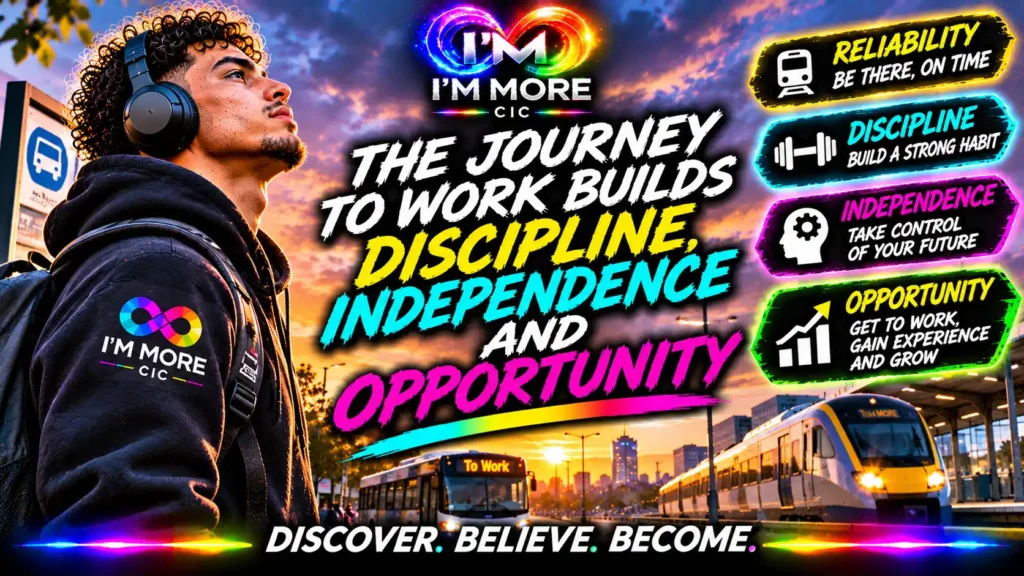
Your first opportunity does not define your future Starting your first job can bring a strange mixture of excitement and uncertainty. You might be pleased to earn your own money but still wonder whether the role is right for you. You might look at friends who seem further ahead and question whether you are making […]
The Importance of Having Multiple Skills in a Changing Employment Market

The Employment Market Is Changing — and So Are the Skills People Need The world of work has never stood still, but the pace of change is becoming increasingly visible. Technology is transforming how businesses operate, new industries are developing, customer expectations are shifting and employers are adapting to different ways of working. As a […]
Show Up, Do the Work, Stay Consistent, Get Hired

Reliability is a skill you can build When you are aged 18 to 24 and trying to establish yourself in employment, it is easy to assume employers only care about qualifications or previous experience. Those things can matter, but your everyday conduct also tells people something important. Do you arrive when expected? Do you communicate […]