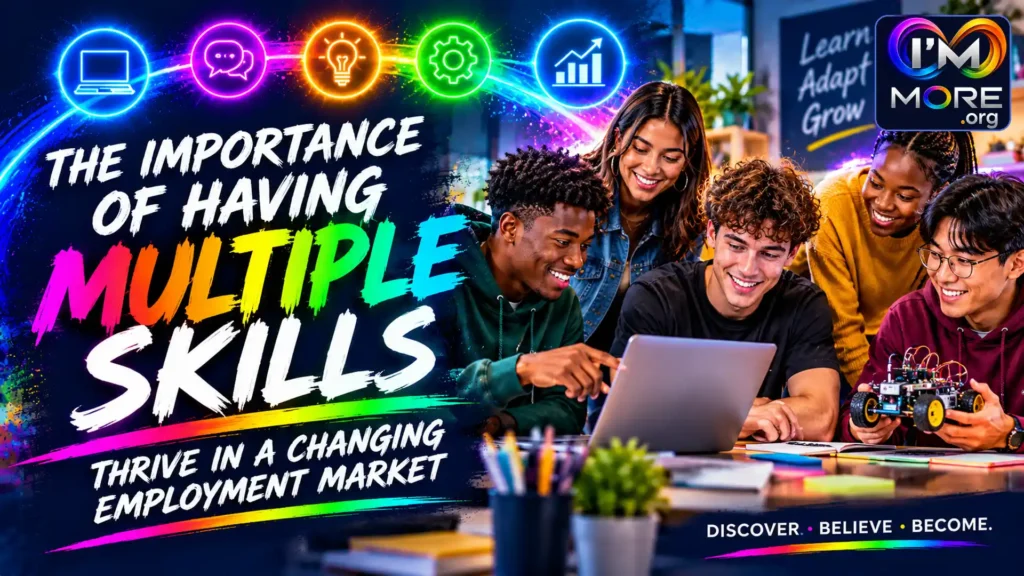
The Employment Market Is Changing — and So Are the Skills People Need
The world of work has never stood still, but the pace of change is becoming increasingly visible. Technology is transforming how businesses operate, new industries are developing, customer expectations are shifting and employers are adapting to different ways of working. As a result, the skills that help someone succeed in one role today may need to be supported by new abilities tomorrow. For young people preparing to enter employment, this can feel like a lot to keep up with. However, it also creates an opportunity: the more skills you develop, the more ways you may be able to contribute.
Having multiple skills does not mean you must become an expert in everything. It means building a useful combination of abilities, experiences and attitudes that can help you approach different tasks and respond confidently when circumstances change. You might be good at communicating with people, comfortable using technology, creative when solving problems and reliable when working as part of a team. Each ability adds another dimension to what you can offer.
For young people aged 18–24, including those who are currently out of education, employment or training, developing a range of skills can be an important way to explore opportunities and build confidence. Your starting point does not have to determine your destination. Through curiosity, practice and a willingness to learn, you can continue discovering what you are capable of becoming.
Why One Skill Is Rarely the Whole Story
Some jobs require specialist knowledge, qualifications or technical ability, and those things can be extremely important. However, most workplaces also rely on people bringing several abilities together. A person working in retail, for example, may need product knowledge, customer service, communication, teamwork, organisation and the confidence to use a digital till. Someone working in an office may need to write clearly, manage information, use software, solve problems and communicate with colleagues.
These abilities support one another. Knowing how to use a piece of software is useful, but being able to explain an issue to a colleague, organise your workload and respond calmly when something goes wrong can make that technical knowledge even more valuable. Similarly, creativity can help generate ideas, while communication helps you share those ideas and teamwork helps turn them into something practical.
The aim is not to collect skills simply to make a longer CV. It is to understand how different strengths can work together. A balanced combination can help you become more adaptable, contribute in different situations and recognise opportunities that may not have been obvious at first.
Transferable Skills Can Open More Than One Door
Transferable skills are abilities that can be used across different jobs, industries and situations. They are especially valuable because they are not tied to one job title. Communication, problem-solving, teamwork, organisation, initiative, time management and adaptability can all be useful in a wide range of workplaces.
Imagine that you have helped organise a community event. You may have promoted it, spoken to people, planned a schedule, managed a small budget or worked with others to solve unexpected problems. Even if you have never held a formal job, those experiences can help you demonstrate planning, communication, responsibility and teamwork. The important step is learning how to describe what you did and what it taught you.
The UK Government’s Skills England has highlighted the importance employers place on transferable capabilities such as communication, problem-solving, teamwork, digital literacy and adapting to new technologies. You can explore its Annual Skills Report to understand how these abilities connect with a changing labour market.
When you recognise the skills you already use in everyday life, you may discover that you have more to offer than you first thought. The next step is to strengthen those abilities and find new ways to apply them.
Digital Confidence Matters Across Different Industries
Technology is now part of many working environments, not just jobs in computing or software development. Businesses use digital systems to communicate with customers, manage stock, organise schedules, process information, promote services and complete everyday tasks. This means that digital confidence can support opportunities in sectors that may not initially seem technical.
You do not need to know every programme or platform. A useful starting point is to become comfortable with common digital tasks: using email professionally, creating and editing documents, searching for reliable information, managing files, joining online meetings and understanding basic online safety. Depending on your interests, you might then explore spreadsheets, design tools, content creation, data handling or introductory coding.
Technology is also changing the nature of work through automation and artificial intelligence. Rather than assuming that every role will disappear, it is more helpful to understand how tools may change particular tasks and how people can learn to use them responsibly. The World Economic Forum’s Future of Jobs Report 2025 identifies technological literacy, AI and big data among the skills expected to grow in importance, alongside creative thinking and adaptability.
Digital skills are strongest when combined with human judgement. Knowing how to use a tool matters, but so does knowing when its output needs checking, how to protect information and how to communicate the result clearly.
Human Skills Are Just as Important as Technical Skills
As technology becomes more common, qualities that help people work well with other people remain essential. Employers need individuals who can listen, communicate, show empathy, take responsibility, manage their time and respond constructively to feedback. These abilities help create workplaces where people can trust one another and work towards shared goals.
For example, a person may be highly capable with digital systems but struggle to explain a problem to a customer. Another person may be confident speaking with customers but need more practice using the software required for the role. Both have valuable strengths, and both can develop the other areas. A combination of technical and interpersonal skills can make someone more effective.
The World Economic Forum’s research identifies analytical thinking, resilience, flexibility, leadership, creative thinking, empathy and active listening among important core skills employers recognise. This reinforces a useful message: preparing for the future is not simply about learning new technology. It is also about strengthening the human qualities that help you use knowledge well and work positively with others.
Being able to work independently is valuable, but so is knowing when to ask for help. Confidence does not mean pretending to know everything. It means being willing to contribute, listen, learn and take responsibility for improving.
Adaptability Helps You Respond When Work Changes
Adaptability is the ability to adjust when tasks, expectations or circumstances change. In employment, this might mean learning a new system, supporting a different team, changing priorities or approaching a problem in a new way. It does not mean agreeing to everything or being expected to do work without proper training. It means approaching reasonable change with an open mind and a willingness to learn.
A person who has developed several skills may find it easier to see different ways forward. If one task becomes less common, another strength may help them move towards a related responsibility. If a workplace introduces new technology, existing communication and problem-solving abilities can help them learn how to use it. If they decide to explore a different industry, transferable skills can provide a starting point.
Adaptability is built through experience. Try unfamiliar tasks, ask questions, reflect on what went well and identify what you would do differently next time. Small experiences can gradually make change feel less intimidating. You do not need to have every answer before you begin; you need a mindset that allows you to keep developing.
Multiple Skills Can Help You Discover Unexpected Opportunities
Sometimes people limit their career choices because they only consider jobs that appear to match one obvious interest or qualification. Developing a wider range of skills can help you notice connections between different areas. Someone who enjoys music, for instance, might explore performance, audio production, event support, marketing, content creation, teaching, customer service or technical equipment. The original interest can become a starting point for several possible pathways.
The same is true of sport, gaming, caring responsibilities, volunteering, creative projects and community involvement. These experiences may develop discipline, teamwork, patience, planning, leadership, communication or technical confidence. They can also help you discover what kind of environment motivates you.
Exploration does not mean you must abandon a particular ambition. It means giving yourself more ways to move towards it. You may develop a main specialism while also building supporting skills that make your work more flexible. A photographer might learn social media promotion; a mechanic might develop customer communication; a care worker might strengthen digital record-keeping. The combination can help people contribute more broadly while continuing to grow in their chosen direction.
You can use the National Careers Service to explore job profiles, identify skills used in different occupations and consider routes into work or further learning.
You Can Build Skills Without Having Everything Figured Out
It is easy to believe that skill development must involve expensive courses, formal qualifications or a perfect career plan. Those routes can be valuable, but they are not the only ways to learn. You can build skills through volunteering, work experience, apprenticeships, short courses, personal projects, community activities, online learning and everyday responsibilities.
Start with something manageable. If you want to improve communication, practise introducing yourself, writing a professional email or explaining an idea. If you want to strengthen organisation, plan a week of tasks and review how well you managed your time. If you want to improve digital confidence, choose one tool and complete a small project with it. If teamwork is an area you want to develop, look for a group activity where you can contribute and learn from others.
The National Careers Service careers advice can help you think about your strengths, training and next steps. You can also explore apprenticeships on GOV.UK, which combine practical work with structured learning.
Remember that progress is not always immediate. A skill becomes stronger through repetition, feedback and reflection. Give yourself permission to be a beginner. What matters is that you keep moving forward.
Show Employers How Your Skills Work Together
Developing skills is important, but employers also need to understand what you can do. When preparing a CV, application or interview, avoid simply listing words such as communication, teamwork and organisation without examples. Explain where you used those abilities and what happened as a result.
Instead of writing only, “I have good communication skills,” you could describe how you welcomed visitors at a community event, answered questions and passed information to the right people. Instead of saying, “I am organised,” you could explain how you planned deadlines for a project and kept track of the tasks that needed completing. These examples help an employer picture how you might contribute.
You can also show how skills combine. Perhaps you used digital tools to promote an event, creative thinking to attract attention, communication to engage people and organisation to keep everything on schedule. That is a stronger picture than presenting each skill as an isolated quality.
Be honest about your level of experience. You do not need to exaggerate or claim expertise. Explain what you have practised, what you are learning and how you would approach developing further. Employers may value potential, curiosity and a constructive attitude as well as existing experience.
A Five-Day IM MORE Skills Development Challenge
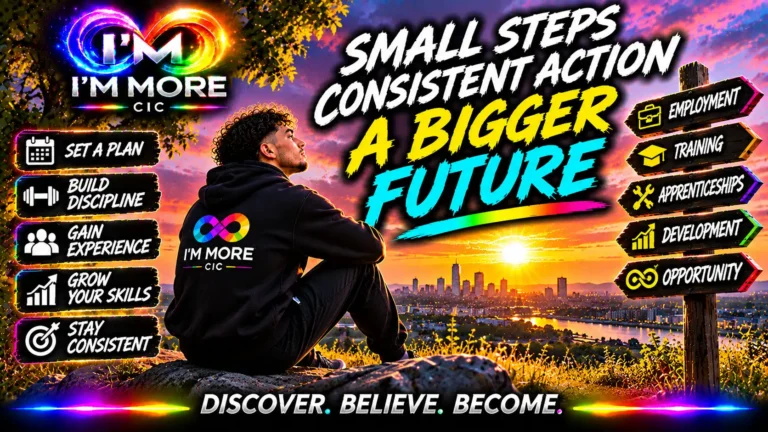
Building a wider skill set can begin with five small steps. On the first day, write down the abilities you already use at home, in education, in hobbies, volunteering or personal projects. Include practical, creative, digital and people skills. On the second day, choose one skill you would like to strengthen and identify a simple way to practise it.
On the third day, try something unfamiliar. It could be learning a new digital tool, taking responsibility for a task, helping organise an activity or researching a job that interests you. On the fourth day, ask someone you trust for feedback. Find out what they think you do well and where they believe you could develop. Listen openly and choose one useful suggestion to act on.
On the fifth day, write a short example showing how two or three of your skills worked together. Think about how you could explain that experience to an employer. Then choose one next step, such as a course, volunteering opportunity, work experience placement or personal project.
The purpose of this challenge is not to transform everything in five days. It is to help you recognise your starting point, take action and build a habit of continuous learning.
Final Thought: Keep Learning, Keep Evolving
A changing employment market can create uncertainty, but it also reminds us that our development does not have to stop at one qualification, one job or one particular strength. Having multiple skills gives you more ways to approach challenges, connect with different opportunities and respond when the world of work changes.
You do not need to be perfect at everything. Focus on building a combination of abilities that reflects your interests, strengthens your confidence and helps you contribute. Keep developing your technical knowledge, but do not overlook communication, creativity, teamwork, resilience and the ability to learn. Every new experience can add something to your journey.
For young people taking their first steps into employment, the most important thing is to recognise that potential can grow. Your skills are not fixed, and your future is not limited to what you can do today. Discover what interests you, believe in your ability to improve and become someone who is ready to keep learning as opportunities evolve.
IM MORE — Discover. Believe. Become.