

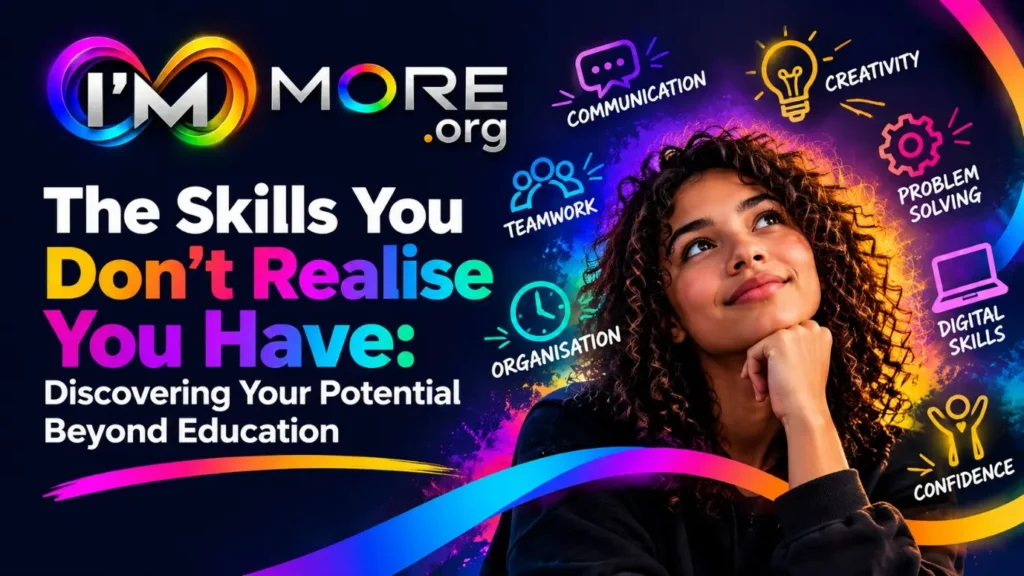
Transferable skills for young people can develop through everyday experiences, helping them recognise their strengths, build confidence and prepare for future employment opportunities. Have you ever looked at a job application and thought, “I don’t have the skills they’re looking for”? Maybe you’ve left school or college without many qualifications, haven’t had much work experience or simply don’t know what you’re good at. When you’re surrounded by people who seem to have their futures figured out, it’s easy to begin questioning your own abilities and wondering whether you have anything valuable to offer.
For many young people, education becomes the main way they measure their achievements. We’re encouraged to work towards good grades, gain qualifications and prepare ourselves for employment. Although education is important, it doesn’t always show the full picture of what someone is capable of achieving. You might struggle in a classroom but be brilliant at solving practical problems, helping other people or thinking creatively. Sometimes, the skills that could help shape your future are the ones you haven’t even recognised yet.
Why We Sometimes Struggle to Recognise Our Own Skills
One of the biggest challenges young people face is believing that their abilities only matter when they have qualifications or certificates to prove them. If you didn’t achieve the grades you expected, you might begin feeling as though you’re behind everyone else. You may see friends going to university, beginning apprenticeships or finding employment while you’re still trying to work out what direction you want to take.
These comparisons can affect your confidence, especially when you feel as though you haven’t achieved enough. You might begin focusing on everything you don’t have rather than recognising what you’ve already learned through your experiences. However, not having a clear career path or a long list of qualifications doesn’t mean you lack potential. It means you may still be discovering what you’re capable of and how your abilities could be used.
Sometimes, recognising your skills requires looking at yourself from a different perspective. Instead of asking what qualifications you don’t have, think about the situations you’ve managed, the responsibilities you’ve taken on and the challenges you’ve overcome. These experiences can reveal strengths that aren’t always measured through education.
Transferable Skills for Young People: Recognising Everyday Abilities
You might not realise it, but you’re constantly developing skills through your everyday experiences. Whether you’re helping someone, completing a personal project, managing responsibilities or learning something independently, these activities can help you build abilities that are useful in different areas of life.
For example, if you’re someone who enjoys listening to others and offering support, you may have developed communication and empathy skills. If you’ve helped organise an event, managed your time around responsibilities or worked with other people to complete a task, you may have developed organisation and teamwork skills. Even learning how to use social media, edit videos or create digital content can help you develop creativity, planning and technical abilities.
These are often called transferable skills because they can be useful across different jobs, industries and situations. The National Careers Service guidance on identifying and developing skills explains how recognising your existing abilities can help you understand what you have to offer and identify opportunities for further development.
It’s important to remember that a skill doesn’t become valuable only when an employer recognises it. Your abilities are part of who you are, and learning to identify them can help you build confidence in yourself.
Discovering Your Strengths Beyond the Classroom
Not everyone learns or demonstrates their abilities in the same way. Some people feel confident completing written assignments and exams, while others discover their strengths through practical activities, creative projects or working directly with people. Just because you struggled with a particular subject doesn’t mean you aren’t capable of achieving something meaningful.
You might discover that you’re good at explaining things to others, finding solutions to problems or remaining calm in difficult situations. These abilities can be important in employment, but they can also help you develop independence, build relationships and manage everyday challenges.
Sometimes, discovering your strengths involves trying something you’ve never done before. A work placement, volunteering opportunity, training programme or creative activity could help you recognise an interest or ability you didn’t know you had. You might also discover that something isn’t right for you, and that can still be a valuable learning experience.
The National Careers Service skills assessment can help you explore your interests and consider different career possibilities. It’s a useful starting point if you’re unsure about your direction or want to understand how your strengths might connect with future opportunities.
How Self-Doubt Can Stop You From Seeing Your Potential
Sometimes, the biggest thing holding you back isn’t a lack of skills. It’s the belief that you’re not good enough to use them. If you’ve experienced rejection, struggled in education or had a difficult employment experience, you might begin doubting what you’re capable of achieving.
You may find yourself avoiding opportunities because you’re worried about making mistakes or being judged by other people. You might convince yourself that someone else would be better suited to a role, even when you have qualities that could make you a good candidate.
These feelings can make it difficult to recognise your achievements. Instead of acknowledging the progress you’ve made, you might focus on what went wrong or compare yourself with people who appear more successful.
The NHS guidance on raising low self-esteem discusses recognising negative beliefs about yourself, identifying positive qualities and building confidence through manageable challenges.
Learning to recognise your strengths doesn’t mean pretending you’re perfect or that you know everything. It means understanding that you have abilities worth developing and that you deserve opportunities to learn.
Turning Your Everyday Skills Into Employment Opportunities
When you’re looking for employment, it’s easy to feel discouraged by job descriptions asking for experience, qualifications and specific skills. If you’ve never had a particular job before, you might assume you have nothing relevant to offer.
However, many employers also look for qualities such as reliability, communication, teamwork, willingness to learn and problem-solving. While some roles require specific qualifications or professional experience, transferable skills can help demonstrate your potential, particularly when applying for entry-level opportunities.
For example, if you’ve helped organise activities, you might be able to explain how that developed your planning and teamwork skills. If you’ve created social media content, you could discuss your creativity, communication and digital abilities. If you’ve managed difficult situations, you might be able to demonstrate patience, adaptability and problem-solving.
The National Careers Service CV guidance explains how to present your skills, experience and achievements when preparing a CV. This can be particularly helpful if you have limited employment experience and want to show employers what you’re capable of contributing.
The important thing is learning how to explain your experiences confidently rather than assuming they don’t count because they didn’t happen in a traditional workplace.
Building Confidence Through Personal Development
Once you begin recognising your skills, the next step is learning how to develop them. Personal development is about understanding your strengths, identifying areas where you’d like to improve and taking practical steps towards your goals.
You might want to become more confident speaking to people, improve your digital skills or develop the ability to work independently. Whatever your goals are, you don’t have to achieve everything immediately. Small experiences can help you develop confidence and gradually become more comfortable with new challenges.
At I’m More, the message of Discover, Believe, Become encourages young people to understand their strengths, build belief in themselves and take steps towards becoming the person they want to be.
The I’m More On-Demand Training programme focuses on areas of personal development such as recognising your abilities, developing self-belief and creating a plan for your future. Exploring these topics can help you understand yourself better and recognise how your existing skills could support new opportunities.
Sometimes, having someone encourage you to recognise your strengths can make a difference. When you’ve spent a long time doubting yourself, another person’s support can help you begin seeing qualities you’ve previously overlooked.
Understanding That Your Potential Goes Beyond Qualifications
Qualifications can create opportunities and demonstrate important knowledge, but they aren’t the only way to measure someone’s abilities or potential. Your experiences, interests, determination and willingness to learn can also contribute to your personal and professional development.
You might leave education without knowing what you want to do, but that doesn’t mean you’ll always feel uncertain. As you gain experience, meet different people and explore opportunities, you may begin discovering interests and abilities that help you find direction.
It’s also important to recognise that learning doesn’t stop when you leave school or college. You can continue developing skills through training, employment, volunteering and independent learning throughout your life.
The GOV.UK apprenticeship guidance explains how apprenticeships combine practical workplace experience with training, providing another route for people who want to continue learning while developing employment skills.
Your future doesn’t have to follow the same path as everyone else’s. What matters is recognising that you have the opportunity to continue growing, regardless of where you’re starting from.
Conclusion: You Have More to Offer Than You Think
One of the most important things you can learn about yourself is that your value isn’t determined entirely by your qualifications, employment history or other people’s opinions. You may have developed valuable skills through experiences that you’ve never considered important before.
Sometimes, discovering your potential begins with recognising the small things you already do well. It might be your ability to listen, support others, solve problems, think creatively or continue trying when something feels difficult.
You don’t have to know exactly where your future is heading to recognise that you have something valuable to offer. Your strengths can develop over time, and every new experience can give you another opportunity to learn.
You are more than your grades, more than your CV and more than the opportunities you haven’t had yet. You already have strengths worth recognising, and your potential doesn’t end when you leave education.
Your Next Step: Start Recognising Your Strengths Today
If you’ve ever felt like you don’t have any skills, challenge yourself to look at your experiences differently. Think about three situations where you’ve helped someone, completed a task or overcome a challenge. Consider what abilities you used and how those skills could help you in education, employment or everyday life.
You could also ask someone you trust what they think your strengths are. Sometimes, other people recognise qualities in us that we struggle to see in ourselves. Use their feedback to help you identify one skill you’d like to develop further.
If you’re ready to discover more about your abilities and build confidence in your future, explore the I’m More On-Demand Training programme and begin recognising what makes you capable of achieving more.
For more information and to read more articles, helpful tips and stories from people just like you, explore The Voice at I’m More.
Don’t wait until you have the perfect qualifications or years of experience before believing you have something to offer. Start recognising your strengths today, because discovering your potential could be the first step towards changing your future.













