
Starting again with education can open new opportunities to rebuild confidence, develop practical skills and discover your potential beyond the classroom.
Have you ever looked back at your time in school or college and wished you’d done things differently? Maybe you struggled with certain subjects, didn’t achieve the qualifications you wanted or left education without knowing what direction to take. For many young people, these experiences can affect their confidence long after they’ve left the classroom.
When things don’t go as planned, it’s easy to believe you’ve missed your opportunity to succeed. You might watch friends continuing their studies, finding employment or building careers while you’re still trying to understand what you want from your future. However, leaving education doesn’t mean your opportunities to learn have disappeared. Sometimes, starting again is about giving yourself the chance to discover what you’re capable of in a different environment.
When Education Doesn’t Go as Planned
Not everyone has a positive experience of education. Some young people struggle academically, while others experience personal difficulties, financial pressures or circumstances that make studying more challenging. When you’re surrounded by expectations about grades and qualifications, struggling with education can leave you feeling as though you’ve failed before your future has even begun. Starting again with education gives young people another opportunity to overcome previous setbacks, rebuild confidence and explore different approaches to learning.
You might begin questioning your intelligence or comparing yourself to people who appear to be achieving more than you. Over time, these feelings can affect your willingness to try something new. But having a difficult experience in education doesn’t mean you’re incapable of learning. It may mean that the environment, teaching approach or timing wasn’t right for you.
One of the most important things to recognise is that your previous experiences don’t have to determine what happens next. Just because something didn’t work out the first time doesn’t mean you’ll have the same experience again. Sometimes, having another opportunity to learn can help you recognise abilities you didn’t know you had.
Understanding That Learning Can Look Different
When people think about returning to education, they often imagine sitting in a classroom, completing assignments and preparing for exams. While this works for some people, there are other ways to continue developing your knowledge and skills. Starting again with education does not always mean returning to a traditional classroom. Online courses, practical workshops and flexible training programmes can provide alternative learning opportunities.
You might prefer online courses that allow you to learn at your own pace, practical training where you can apply your knowledge or short workshops that introduce you to a particular subject. Finding an approach that suits you can make learning feel more enjoyable and manageable.
The National Careers Service guidance on accessing free training explains different learning options, including online courses, classroom training and qualifications. Some courses may be free depending on your age, circumstances and eligibility.
Exploring different approaches can help you recognise that learning doesn’t have to happen in exactly the same way it did when you were younger. Sometimes, changing the environment can change the way you feel about your abilities.
Overcoming the Fear of Trying Again
Starting something new can bring back memories of previous difficulties. If you struggled with exams, felt unsupported or experienced disappointment, you might worry that the same things will happen again.
These worries can make you question whether returning to education is worth the risk. You might convince yourself that you’re not clever enough or that you’ll only end up disappointed. Starting again with education can feel challenging at first, but taking small steps can help reduce uncertainty and make the learning process more manageable.
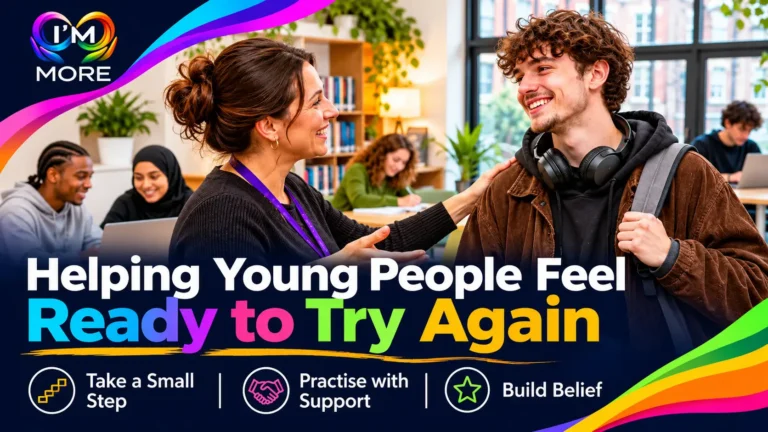
But trying again doesn’t mean you have to achieve everything immediately. You can begin with something manageable and gradually develop your confidence. For example, you could explore a subject that interests you, attend an introductory session or speak to a training provider about the support available.
The first step doesn’t have to be a major commitment. Sometimes, simply finding out what your options are can help you feel more positive about the future. Giving yourself another chance means recognising that you deserve the opportunity to grow, even if previous experiences haven’t gone the way you expected.
Building Confidence Through Small Achievements
Confidence often develops when you begin recognising what you’re capable of achieving. Completing a short course, learning how to use unfamiliar technology or improving your communication skills might not seem like major achievements to other people, but they can represent important progress. Starting again with education allows young people to recognise their progress, develop new abilities and gradually build confidence in their potential.
These experiences can help change how you see yourself. Instead of focusing on what you struggled with in the past, you begin recognising what you can accomplish through patience, practice and support.
At I’m More, the Discover, Believe, Become approach encourages young people to understand their strengths, build self-belief and take practical steps towards their future. This connects with the idea that education and personal development are ongoing journeys rather than something that ends when you leave school or college.
Finding the Right Support and Opportunities
If you’re considering returning to education, it’s important to explore the opportunities available. You may be interested in improving your English, maths or digital skills, particularly if these subjects have previously affected your confidence or employment options.
The government’s guidance on improving English, maths and IT skills explains learning opportunities that may be available to people who have left school, including courses that can be free for eligible learners in England.
You might also benefit from learning that focuses on personal development rather than academic qualifications. The I’m More On-Demand Training programme is designed to help people recognise their strengths, develop confidence and prepare for future opportunities through the Discover, Believe, Become approach.
Whether you choose formal education, practical training or independent learning, what matters is finding an approach that supports your development. Having access to encouragement and guidance can also make it easier to begin again, particularly when your previous experiences have affected your confidence.
Conclusion: Your Next Chapter Can Begin Today
Starting again with education isn’t about proving that your past achievements weren’t good enough. It’s about recognising that you’re still capable of learning, improving and discovering new opportunities.
You don’t need to compete with people who followed a different educational pathway, and you don’t have to make every decision immediately. Your previous experiences are part of your story, but they don’t have to define your future.
You haven’t missed your chance to learn. You still have the opportunity to discover what you’re capable of becoming.
Your Next Step: Give Yourself Another Chance
If you’ve been thinking about developing a new skill or returning to education, challenge yourself to explore one opportunity this week. Choose a subject that interests you, research an introductory course or contact a training provider to find out what support is available.
You don’t need to enrol immediately. The first step is simply recognising that you have options. If confidence is holding you back, explore the I’m More On-Demand Training programme and discover how developing your self-belief could help you prepare for your next opportunity.
For more information and to read more articles, helpful tips and stories from people just like you, read The Voice at I’m More.
Don’t let a difficult chapter in your education convince you that your story is finished. Sometimes, starting again is where a new opportunity begins.