
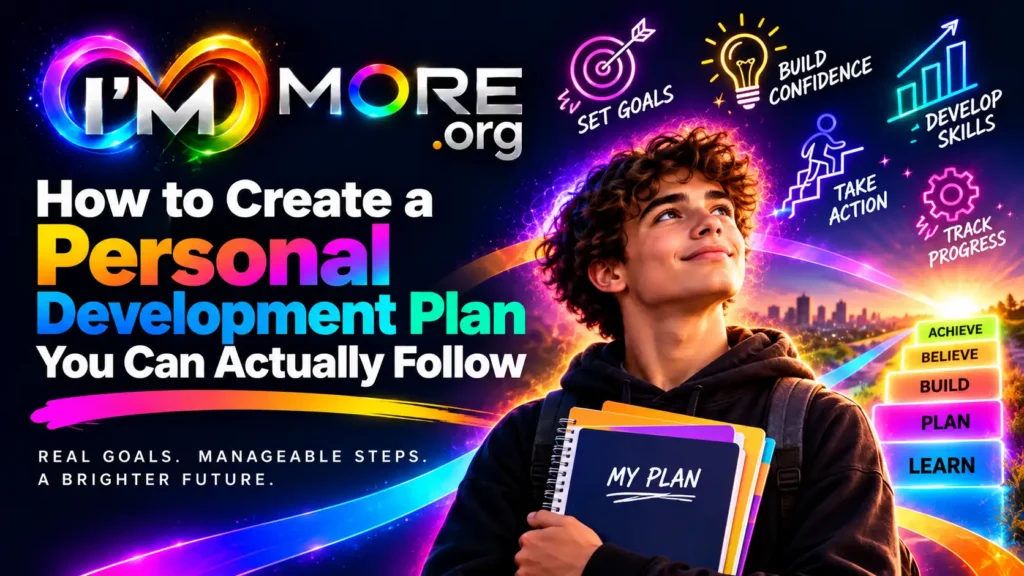
Introduction: Your Future Starts with a Plan
Have you ever felt like you want to make a change in your life but don’t know where to begin? Maybe you want to become more confident, improve your skills, find employment, or simply feel more positive about your future. You might have lots of ideas about what you want to achieve, but turning those ideas into something you can actually follow can sometimes feel overwhelming.
The truth is, personal development doesn’t happen overnight. It takes time, patience, commitment, and most importantly, believing that you are capable of making progress. Everyone has different goals, experiences, and challenges, which means personal development will look different for each person. What works for someone else might not necessarily work for you, and that’s completely fine.
Many young people and adults experience moments when they feel lost, unsure of themselves, or worried about what comes next. Whether you’re leaving school, finishing college, looking for your first job, or trying to find a new direction, it’s normal not to have everything figured out. Sometimes, the hardest part isn’t knowing what you want to achieve but understanding how you’re going to get there.
This is where creating a personal development plan can make a real difference. A personal development plan is more than just writing down a few goals. It’s about understanding yourself, recognising your strengths, identifying areas where you want to improve, and creating realistic steps towards the future you want.
However, there’s one important thing to remember: the best personal development plan isn’t the most complicated one. It’s the one you can actually stick to. You don’t need to completely change your life in a week or put unnecessary pressure on yourself to achieve everything immediately. Sometimes, making small changes and staying consistent can be more beneficial than trying to achieve too much at once.
In this article, we’ll explore how to create a realistic personal development plan, why personal growth matters, and how small everyday actions can help you build confidence, develop new skills, and move closer to achieving your goals. Whether you’re starting from scratch or looking to improve your current situation, this roadmap will help you take meaningful steps towards building a brighter future.
1. What Is a Personal Development Plan?
A personal development plan, sometimes referred to as a PDP, is a simple roadmap that helps you understand where you currently are in life, where you want to be, and what steps you need to take to get there. It allows you to focus on your personal goals while recognising the skills, strengths, and opportunities that can support your progress.
Think of it like planning a journey. Before travelling somewhere, you usually need to know your destination, the route you’re going to take, and what you might need along the way. Personal development works in a similar way because it involves identifying what you want to achieve and creating a realistic plan to help you reach that destination.
Your goals could involve finding employment, becoming more confident, learning a new skill, improving your communication, gaining qualifications, or simply developing a more positive mindset. Whatever your ambitions might be, having a personal development plan can give you a clearer sense of direction and help you understand what actions you need to take.
One of the biggest benefits of having a personal development plan is that it encourages you to take control of your own progress. Instead of feeling like you’re standing still or waiting for opportunities to appear, you can begin taking small steps towards creating opportunities for yourself.
It’s also important to understand that a personal development plan doesn’t need to be perfect. Your goals might change as you gain new experiences and discover different interests. The purpose of your plan is to guide you, not restrict you. What matters most is creating something realistic that supports your individual needs and encourages you to keep moving forward.
2. Start by Understanding Yourself
Before setting goals, one of the most important steps in creating a personal development plan is taking the time to understand yourself. This means recognising your strengths, interests, abilities, and the areas where you would like to improve.
Many people spend so much time focusing on what they haven’t achieved that they forget to recognise what they’re already capable of. You might compare yourself to friends who have jobs, qualifications, or a clear career path, and this can sometimes leave you feeling like you’re falling behind.
However, everyone’s journey is different, and just because someone else has reached a certain stage in their life doesn’t mean you should already be there too. Personal development is about focusing on your own growth rather than comparing your achievements to someone else’s.
Start by thinking about the things you enjoy doing and the activities that make you feel motivated. You could also reflect on challenges you’ve overcome, experiences you’ve learned from, and skills you’ve developed throughout your life.
For example, you might believe you don’t have many skills because you haven’t gained lots of qualifications or previous work experience. However, you could already have valuable abilities such as communication, teamwork, creativity, organisation, problem-solving, or supporting others.
These skills can be developed through everyday experiences, including education, hobbies, volunteering, family responsibilities, and social situations. Sometimes, you might not recognise these abilities because they feel natural to you.
Understanding yourself also involves being aware of the areas where you would like to improve. Maybe you struggle with confidence when meeting new people, find it difficult to stay organised, or feel nervous when trying something unfamiliar. Recognising these challenges doesn’t mean you’re failing. It simply gives you an opportunity to understand what you want to work towards.
Personal development begins when you stop focusing only on what you lack and start recognising the potential you already have.
3. Set Goals That Are Realistic and Achievable
Once you’ve taken the time to understand yourself, the next step is setting goals that are realistic and achievable. Having goals gives you something to work towards and can help you stay focused on what you want from your future.
However, one of the biggest mistakes people make when creating a personal development plan is setting goals that are too big or difficult to achieve within a short period. It’s great to have ambitions, but when your goals feel too far away, it can become difficult to stay motivated.
For example, you might want to become more confident, find employment, or develop better communication skills. These are all positive goals, but they can feel overwhelming if you don’t have a clear understanding of how you’re going to achieve them.
Instead of setting yourself the goal of becoming more confident immediately, you could begin by challenging yourself to speak to one new person each week. If your goal is to find employment, you could start by updating your CV, researching suitable opportunities, and practising interview questions. The National Careers Service offers career guidance to help you explore your options.
A useful way to make your goals more achievable is by following the SMART goal method. SMART stands for Specific, Measurable, Achievable, Relevant, and Time-bound. This approach encourages you to create goals that are clear, realistic, and supported by a timeframe.
For example, instead of saying, “I want to improve my communication skills,” you could say, “Over the next four weeks, I will improve my communication skills by participating in at least one group discussion each week.”
This gives you something specific to focus on and allows you to recognise your progress over time.
Setting realistic goals doesn’t mean limiting your ambitions. It means creating smaller steps that can eventually help you achieve something bigger. Every successful step can help build your confidence and encourage you to continue working towards your future.
4. Break Your Goals Down into Smaller Steps
Once you’ve decided what you want to achieve, the next stage is understanding how you’re going to get there. This is where breaking your goals down into smaller steps can make a significant difference.
Sometimes, looking at a big goal can feel overwhelming because you begin thinking about everything you need to do before you can achieve it. You might feel excited about the result but unsure where to start.
For example, imagine your goal is to find employment. You might begin worrying about writing your CV, finding suitable jobs, completing applications, attending interviews, and having the confidence to speak to employers.
When you think about all these things at once, the process can feel stressful. However, breaking the goal into smaller actions can make it easier to manage.
During your first week, you could focus on recognising your strengths and identifying the types of jobs that interest you. In the second week, you could begin creating or improving your CV. During the third week, you might research employment opportunities, apprenticeships, or training programmes. By the fourth week, you could begin applying for suitable positions and practising interview questions.
This approach allows you to focus on one stage at a time rather than trying to achieve everything immediately.
It’s also important to remember that progress doesn’t always mean reaching your final goal straight away. Even if you haven’t found employment by the end of the month, you may have developed new skills, improved your CV, and gained more confidence in exploring opportunities.
Those achievements still matter because they represent positive steps towards your future.
By breaking your goals into smaller actions, you can make your personal development plan feel more achievable and less intimidating.
5. Build Positive Habits That Support Your Goals
Creating a personal development plan is a great first step, but following it consistently is what helps turn your goals into progress. One way to make this easier is by building positive habits into your everyday routine.
Habits are small actions that you repeat regularly, and over time, they can help you develop skills, improve your confidence, and create a stronger sense of direction.
For example, if your goal is to improve your knowledge, you could spend fifteen minutes each day reading or learning something new. If you want to become more organised, you could spend five minutes every morning planning your priorities. If you’re working on your confidence, you might challenge yourself to do something slightly outside your comfort zone each week.
The important thing is choosing habits that are realistic for your lifestyle. Trying to change too many things at once can leave you feeling overwhelmed and make it harder to stay consistent.
Instead, focus on one or two habits that support your personal development goals. Once these become part of your routine, you can gradually introduce new challenges.
There may be days when you don’t feel motivated or struggle to complete everything you’ve planned. This doesn’t mean you’ve failed or that your progress has disappeared.
Personal development isn’t about being perfect every day. It’s about learning how to stay committed while understanding that some days will be more challenging than others.
Even completing one small task can be a positive step forward.
6. Learn to Step Outside Your Comfort Zone
Personal development often involves doing things that feel unfamiliar or uncomfortable. You might want to meet new people, apply for a job, speak in front of others, or try an activity you’ve never experienced before.
However, when you’re struggling with confidence, even small challenges can feel frightening. You might worry about making mistakes, being judged, or not being good enough.
These feelings can sometimes stop you from taking opportunities that could help you grow.
Stepping outside your comfort zone doesn’t mean forcing yourself into situations that feel overwhelming. It means gradually challenging yourself in ways that feel manageable. You can also explore wellbeing advice from NHS Every Mind Matters.
For example, if you’re nervous about speaking in front of a group, you could begin by practising what you want to say on your own. Once you feel more comfortable, you could practise with someone you trust before eventually speaking in a small group.
Each step can help you become more familiar with something that once felt difficult.
The same approach can be used when preparing for job interviews, meeting new people, or developing unfamiliar skills.
It’s also important to remember that making mistakes is part of learning. You won’t always get everything right the first time, and that’s normal.
Sometimes, the experiences that make us feel uncomfortable are also the experiences that help us discover new abilities.
Every time you challenge yourself, you’re giving yourself an opportunity to learn something new about what you’re capable of achieving.
7. Recognise That Setbacks Are Part of the Journey
One of the most important things to understand about personal development is that progress isn’t always straightforward. There will be days when you feel motivated, confident, and ready to take on new challenges, but there may also be days when you feel frustrated, discouraged, or unsure whether you’re making progress.
You might apply for a job and not receive a response, struggle to learn a new skill, or realise that one of your goals is taking longer than expected.
These experiences can be disappointing, especially when you’re already questioning your abilities.
However, experiencing a setback doesn’t mean you’ve failed. Sometimes, setbacks can help you understand what needs to change and encourage you to approach situations differently.
For example, if you’ve been applying for jobs without success, you might decide to improve your CV, seek advice from someone with experience, or explore different opportunities.
If you’re struggling to maintain a positive habit, you might need to adjust your routine or make your goal more manageable.
Rather than giving up completely, try reflecting on what you’ve learned from the experience and what you could do differently next time.
Personal development is about learning, adapting, and continuing to grow.
Your progress doesn’t disappear because you’ve experienced a difficult week or made a mistake. Sometimes, being able to start again is an achievement in itself.
8. Surround Yourself with Positive Support
Although personal development focuses on improving yourself, that doesn’t mean you have to do everything alone. Having people around you who encourage, support, and believe in your potential can make a real difference.
These people might include friends, family members, teachers, mentors, colleagues, or professionals who can offer advice and guidance.
Sometimes, having someone recognise a strength you haven’t noticed in yourself can help you begin seeing your abilities differently.
For young people who feel uncertain about their future, access to encouragement and opportunities can be particularly valuable.
You might not know which career you want to pursue or what skills you need to develop. Speaking to someone with experience could help you explore options you hadn’t previously considered.
Support can also help you stay focused on your personal development goals. Sharing your plans with someone you trust gives you an opportunity to discuss your progress, celebrate achievements, and work through challenges.
Organisations focused on confidence, personal development, and employability can also provide valuable guidance. The King’s Trust is one organisation offering opportunities and support for young people.
One example is I’M MORE, an organisation focused on helping people recognise their potential, develop confidence, and work towards positive change.
The message behind I’M MORE, Discover, Believe, Become, connects closely with the idea of personal development. It’s about discovering your strengths, believing in what you can achieve, and becoming the person you want to be. You can learn more about this approach through Our Story.
Having the right support doesn’t mean someone else is responsible for achieving your goals. It means recognising that encouragement, advice, and opportunities can help you move forward.
9. Track Your Progress and Celebrate Small Achievements
When you’re working towards a big goal, it’s easy to focus on everything you haven’t achieved yet. You might feel frustrated because you’re not where you want to be, or you might question whether your efforts are making a difference.
However, if you only measure success by the final result, you can overlook the progress you’ve already made.
This is why tracking your personal development is so important.
Keeping a record of your achievements can help you recognise improvements, stay motivated, and understand what is working.
You don’t need anything complicated. A notebook, journal, planner, or notes app can be enough.
At the end of each week, take a few minutes to reflect on what you’ve achieved, what you found difficult, and what you’d like to focus on next.
For example, imagine your goal is to become more confident when meeting new people. At the beginning of the month, you might have struggled to introduce yourself or start conversations.
However, by the end of the month, you might have spoken to someone new, participated in a group activity, or felt more comfortable sharing your opinions.
To someone else, these might seem like small achievements, but to you, they could represent significant progress.
That’s why it’s important to measure your development against your own starting point rather than comparing yourself to others.
Celebrating your achievements can also help you stay motivated. Whether you share your progress with someone supportive, reward yourself with something you enjoy, or simply recognise how far you’ve come, every achievement deserves acknowledgement.
Remember, progress doesn’t always happen in big moments. Sometimes, it’s found in the small things you once thought you couldn’t do.
10. Review and Adjust Your Personal Development Plan
A personal development plan shouldn’t be something you write once and then forget about. As you gain new experiences, develop skills, and discover more about yourself, your goals may change.
Something that felt important three months ago might no longer be your biggest priority, and that’s completely normal.
Personal development is an ongoing journey, which means your plan should be flexible enough to grow with you.
Try reviewing your personal development plan every month to see how you’re progressing. You might discover that you’ve achieved a goal earlier than expected, or you might realise that something is taking longer than you originally planned.
You may also find that your interests have changed and you’d like to explore a different direction.
For example, you might originally decide that you want to work in retail. However, after gaining experience through volunteering or training, you might discover that you enjoy working with children or supporting other people.
Your personal development plan can then change to reflect your new interests and ambitions.
Reviewing your goals gives you an opportunity to recognise what’s working, understand what needs improving, and make changes without feeling like you’re starting from the beginning.
The purpose of your plan is to support your growth, not restrict your choices.
11. Create a Simple 30-Day Personal Development Roadmap
If you’re unsure how to begin, creating a 30-day personal development roadmap can help you take your first steps without feeling overwhelmed.
The aim isn’t to completely transform your life in one month. It’s to build a foundation that you can continue developing over time.
During the first week, focus on discovering more about yourself. Take time to recognise your strengths, interests, and abilities while identifying areas where you’d like to improve. You could begin by writing down five things you’re good at and thinking about how those strengths could support your future.
In the second week, begin creating your personal development goals. Choose something meaningful that you’d like to achieve and break it down into smaller, realistic actions. Think about what resources, opportunities, or support you might need along the way.
During the third week, focus on taking action. This could involve applying for a job, attending a training session, learning a new skill, or challenging yourself to do something outside your comfort zone. The important thing is making progress towards your chosen goal.
By the fourth week, take some time to reflect on what you’ve achieved. Think about the challenges you’ve faced, the skills you’ve developed, and the things you’ve learned about yourself.
You might not have achieved everything you originally planned, but that doesn’t mean your efforts haven’t been worthwhile.
At the end of the month, you can use what you’ve learned to create new goals and continue building on your progress.
A 30-day personal development roadmap is simply a starting point. Your journey can continue for as long as you want to keep learning, improving, and discovering new opportunities.
12. How to Stay Motivated When You Feel Like Giving Up
Motivation can be one of the biggest challenges when it comes to personal development. At the beginning, you might feel excited about your goals and determined to make positive changes.
However, after a few weeks, you might begin losing interest, especially if you’re not seeing results as quickly as you expected.
This is something many people experience, and it’s important to understand that motivation naturally changes.
You won’t always wake up feeling inspired or ready to work towards your goals. That’s why building a realistic routine can be more helpful than relying on motivation alone.
One way to stay focused is by reminding yourself why you started. Think about what achieving your goal would mean to you and how it could improve your future.
Would it help you feel more confident? Would it give you more independence? Would it create opportunities for employment, education, or personal growth?
Having a meaningful reason behind your goals can encourage you to continue when things become difficult.
Another useful approach is to make your tasks smaller on days when you’re struggling. For example, if you planned to spend an hour learning something new but feel overwhelmed, you could spend just ten minutes working on it instead.
Completing a smaller task can help you maintain your routine without putting unnecessary pressure on yourself.
It’s also important to recognise when you need a break. Resting doesn’t mean giving up, and sometimes taking time to recharge can help you return to your goals with a clearer mindset.
Above all, be patient with yourself. Personal development is about long-term growth, not achieving everything immediately.
13. Common Mistakes to Avoid When Creating a Personal Development Plan
Even with the best intentions, there are some common mistakes that can make a personal development plan harder to follow.
One of the biggest mistakes is setting too many goals at once. When you’re excited about improving your life, it can be tempting to create a long list of everything you want to change. However, trying to focus on too many things can leave you feeling overwhelmed and make it difficult to stay consistent.
Instead, choose one or two priorities and gradually build from there.
Another common mistake is comparing your progress to other people’s achievements. Social media can sometimes make it seem as though everyone is finding success, achieving their goals, and living their best lives.
However, what you see online doesn’t always reflect the challenges people experience behind the scenes.
Everyone has different circumstances, opportunities, and responsibilities, which means personal development will look different for each person.
Another mistake is expecting immediate results. Building confidence, learning skills, and creating opportunities can take time. If you don’t notice improvements straight away, that doesn’t mean your efforts aren’t worthwhile.
Finally, avoid being too hard on yourself when things don’t go according to plan.
Missing a deadline, struggling with a goal, or experiencing a setback doesn’t mean you should abandon everything you’ve worked towards.
Instead, reflect on what happened, make any necessary adjustments, and continue when you’re ready.
A successful personal development plan should support your life rather than make it more stressful.
14. Why Personal Development Matters for Young People
For many young people, the transition from education into employment or adulthood can be an uncertain experience.
Leaving school or college can bring a mixture of excitement, pressure, and worry. Some young people know exactly what they want to do next, while others might feel completely unsure about their future.
They may be worried about finding employment, gaining qualifications, managing responsibilities, or choosing the right career.
Some may also feel pressure from friends, family, or society to have their future planned out.
When you’re surrounded by expectations, it can become difficult to recognise your own strengths and interests.
This is why personal development can be particularly valuable during these stages of life.
It gives young people an opportunity to explore who they are, understand what matters to them, and develop skills that can support their future.
Personal development isn’t only about preparing for employment. It’s also about learning how to communicate, make decisions, solve problems, manage challenges, and believe in your own abilities.
These are skills that can support people throughout their lives.
It’s also important for young people to understand that their future isn’t determined by one set of exam results or one difficult experience.
Qualifications can open doors, but they aren’t the only way to develop skills or explore opportunities.
Training, volunteering, work experience, apprenticeships, and personal projects can also provide valuable learning experiences.
You might not know what your future looks like right now, but that doesn’t mean you can’t begin building it.
Sometimes, discovering your direction starts with giving yourself permission to try something new.
15. Discover, Believe, Become: Turning Your Plan into Progress
Personal development is about more than simply achieving goals. It’s about discovering who you are, believing in what you can achieve, and becoming more confident in the direction you want your life to take.
This connects closely with the message behind I’M MORE: Discover, Believe, Become.
Discovering your potential means taking the time to recognise your strengths, interests, skills, and abilities. It means understanding that you may have more to offer than you originally believed and recognising that your experiences can help shape your future.
Believing in yourself means developing the confidence to recognise what you’re capable of achieving. It doesn’t mean you’ll never experience self-doubt or uncertainty, but it means learning not to let those feelings completely control your decisions.
Becoming the person you want to be means turning your goals and beliefs into meaningful actions. It’s about taking opportunities, learning from experiences, and continuing to grow.
You don’t have to become a completely different person to improve your future. Sometimes, personal development is simply about recognising the potential that was already there and learning how to use it.
Whether your goal is to find employment, improve your confidence, gain qualifications, or discover a new direction, every positive step can contribute to your journey. You can also explore I’M MORE On-Demand Training for personal development and confidence-building opportunities.
The future might feel uncertain, but that doesn’t mean it has to stay that way.
By creating a personal development plan that reflects your strengths, ambitions, and circumstances, you can begin building a clearer sense of direction.
Conclusion: Your Personal Development Journey Starts Today
Creating a personal development plan doesn’t mean you need to have your entire future figured out. It means giving yourself an opportunity to understand who you are, recognise what you want to achieve, and begin working towards it.
There will be challenges along the way. You might experience moments of self-doubt, lose motivation, or discover that your original goals need to change. However, none of those experiences mean you aren’t making progress.
What matters is your willingness to keep learning, trying, and growing.
Start by recognising your strengths and understanding what makes you unique. Set yourself one realistic goal and break it into smaller steps that feel manageable. Build positive habits that support your progress, and don’t be afraid to ask for guidance when you need it.
Most importantly, remember that your journey doesn’t have to look like anyone else’s.
You don’t need to achieve everything immediately, and you don’t need to measure your worth by how quickly you reach a particular milestone.
Your future isn’t something you have to figure out all at once. It’s something you can build, one step at a time.
If you’re feeling lost or unsure about what comes next, remember that you still have strengths, skills, and potential worth discovering.
You might be closer to taking your next step than you realise.
Discover what makes you unique. Believe in what you’re capable of. Become the person you want to be.
To learn more about building confidence, recognising your potential, and exploring opportunities for personal growth, visit I’M MORE and read more articles on The Voice.