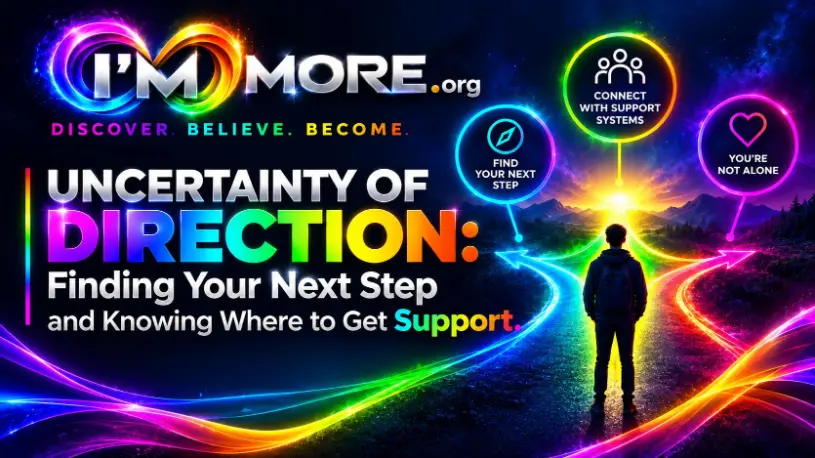
Introduction: When You Do Not Know What Comes Next
At some point, many people reach a stage where they are unsure which direction to take. You might be finishing school, deciding whether to continue studying, searching for your first job, considering a career change or simply trying to understand what you want from life. Other people may appear to have a clear plan, while you feel as though you are standing at a crossroads.
Experiencing uncertainty of direction is common, especially when you are making important decisions about education, employment and your future.
Uncertainty can be uncomfortable. It can create pressure, affect confidence and make even small decisions feel difficult. You may worry about choosing the wrong course, missing an opportunity or disappointing people who have expectations of you. But not knowing your next step does not mean you have failed, and it does not mean you lack potential.
Direction is not always something you discover in one moment. Often, it develops as you learn more about yourself, try different experiences, speak to people and recognise what matters to you. The important thing is not to have every answer today. It is to find a manageable next step and know where to turn for help.
At IM MORE, the message of Discover, Believe, Become is a useful way to approach this journey: discover what matters to you, build belief in your ability to grow and become more prepared to take opportunities when they arise.
1. Understand What Uncertainty Is Telling You
Feeling uncertain can mean several things. You may have too many options and struggle to choose between them. You may not yet know your strengths or interests. Perhaps you know what you would like to do but cannot see a realistic route towards it. You might also be dealing with practical barriers such as money, transport, caring responsibilities, limited work experience or a lack of access to training.
Start by naming what feels unclear. Ask yourself: Is it the destination I do not know, the steps I need to take, or the confidence to begin? These are different problems, and each may need a different kind of support.
For example, someone who is unsure what career might suit them may benefit from a careers assessment and conversations with people in different jobs. Someone who knows their goal but lacks experience may need volunteering, work experience, an apprenticeship or a training course. Someone whose uncertainty is being made worse by anxiety may benefit from talking to a trusted person or a qualified professional.
Try not to treat uncertainty as proof that you are incapable. It is information about what you need to explore, learn or address next.
2. Discover Your Strengths, Interests and Values
Finding direction becomes easier when you begin to understand yourself. Think about the activities that interest you, the tasks you enjoy, the skills other people notice in you and the values you want your life or work to reflect.
Strengths do not only mean academic grades or technical ability. They can include listening, problem-solving, creativity, organising, teamwork, patience, practical thinking or helping other people feel included. You may have developed these skills through school, caring for relatives, hobbies, volunteering, part-time work or everyday responsibilities.
Try writing down three lists: things I enjoy, things I am good at, and things that matter to me. Look for connections between them. If you enjoy helping people, communicate well and value making a difference, you might explore roles in support work, education, healthcare or community services. These are possibilities to investigate, not boxes you must fit into.
Remember that your interests can change. You are allowed to explore options without committing to them permanently. A short course, a conversation with someone in a role, or a day of work experience can teach you more than trying to make a decision entirely in your head. You can also explore The Voice for articles about confidence, personal development and discovering your strengths.
3. Replace Pressure with Small, Practical Steps
When the future feels overwhelming, it is tempting to believe you must solve everything at once. That pressure can make it harder to take action. Instead, bring your focus back to the next useful step.
Choose one task that is realistic for this week. You could research two career options, update your CV, book a meeting with a tutor, ask about an apprenticeship, attend an open day or complete a short online learning module. Write down what you will do, when you will do it and who can help.
Break large goals into smaller actions. ‘Find a career’ is too broad to act on immediately. ‘Read three job profiles and note the skills they require’ is more manageable. Once you complete it, decide on the next step.
Progress is not always a straight line. You may try something and discover it is not right for you. That is still useful information. It helps you narrow your choices and make a more informed decision next time.
4. Listen: Learn from People Who Can Help
You do not have to work everything out alone. A trusted teacher, family member, friend, mentor, careers adviser, youth worker or manager may help you see options you have not considered.
Listening does not mean handing over control of your future. It means gathering perspectives and asking questions so you can make your own informed decision. Explain what you are unsure about, what you have already tried and what kind of help would be useful.
You might ask a careers adviser what qualifications a role requires, ask an apprentice what their training is like, or ask a tutor about courses that keep several options open. If you are worried about speaking to someone, write your questions down beforehand or ask a trusted person to come with you.
Choose people who take your concerns seriously and give you space to think. Advice should help you understand your options, not make you feel ashamed for being uncertain.
5. What Support Is Available?
Careers guidance: In England, the government’s careers advice service provides information on career choices, job searching, training and education routes. Its online resources include career information, skills assessment tools and course searches. Visit the National Careers Service careers advice. Government changes announced in October 2026 mean that careers support is moving into the Department for Work and Pensions’ Jobs and Careers Service; check the current official service page for the latest access arrangements.
Schools, colleges and universities: If you are studying, speak to your tutor, careers lead, student support team or personal adviser. They may help you compare options, apply for courses, find work experience, explore apprenticeships or access additional support. Ask what support is available after you leave, too.
Jobcentres and employment support: In England, Jobcentres can provide access to careers advice and employment support, including help with job searching and developing skills. You can ask about the support available locally even if you are not sure which job you want. Start with the official government announcement about careers support through Jobcentres. You can also explore I’M MORE’s employment and training resources for further guidance.
Training and apprenticeships: If you learn best by doing, explore apprenticeships, vocational qualifications, further education and short courses. These routes can help you gain practical skills and experience while working towards a qualification. Compare entry requirements, costs, location and the support offered before choosing.
Youth and community organisations: Local youth services, charities, mentoring projects and community organisations may offer practical guidance, confidence-building activities, employability workshops or help with applications. Availability varies by area, so ask your local council, library, school or college what is currently offered.
Support for emotional wellbeing: Uncertainty can affect wellbeing, particularly when it is mixed with pressure, rejection or worries about the future. The NHS Every Mind Matters guidance on dealing with change offers practical advice on coping with change and uncertainty. If worry is persistent or affecting everyday life, consider speaking with your GP or another qualified professional. Young people can also explore support through school, college or local children and young people’s mental health services.
IM MORE: Personal development can also involve reflecting on your strengths, building self-belief, practising how to communicate your value and creating an action plan. Explore the organisation’s work at IM MORE and check its current programmes and contact information to see what support is available.
6. Build Confidence by Collecting Evidence of Your Progress
Confidence often grows when you can point to something you have done, rather than waiting until you feel completely ready. Keep a record of small achievements: a conversation you started, an application you submitted, a new skill you practised or feedback you used to improve.
This record can help you recognise transferable skills and provide examples for CVs, interviews and course applications. It can also remind you that progress is happening even when the final destination is still unclear.
If an application is unsuccessful, allow yourself to feel disappointed, then look for what can be learned. Could your CV be clearer? Would more experience help? Is there another route into the same field? Rejection can be difficult, but it does not define your ability or your future potential.
7. Create Your Direction Plan
Use this short plan to turn reflection into action:
Step 1 — Discover: Write down three strengths, three interests and three things you value.
Step 2 — Explore: Identify two or three possible routes, such as work, further study, an apprenticeship, volunteering or a training course.
Step 3 — Ask: Speak to one trusted person or a qualified adviser and prepare three questions.
Step 4 — Act: Choose one realistic task to complete in the next seven days.
Step 5 — Review: Ask what you learned, what felt right and what you want to investigate next.
Step 6 — Adjust: Change the plan when you gain new information. A plan is a guide, not a promise that you can never change direction.
Make your first step small enough that you can realistically complete it. If a task feels too big, break it down further or ask someone to help you get started. You can explore I’M MORE’s on-demand training for further opportunities to develop skills and confidence.
Conclusion: You Do Not Need Every Answer to Begin
Uncertainty about direction can make you feel behind, especially when you compare yourself with people who seem to know exactly what they want. But everyone’s path develops differently, and many people change their plans as they gain experience and learn more about themselves.
You can make progress by understanding what is unclear, recognising your strengths, listening to helpful advice, exploring reliable options and taking one practical step at a time. Support is available, from careers advisers and education providers to employment services, community organisations and mental health professionals.
You deserve the time and support needed to make informed choices. You do not need to have your whole future mapped out before you begin. Start with what you can discover today, build belief through action and remain open to what you learn along the way.
IM MORE — Discover. Believe. Become.