
Small Steps, Consistent Action, A Bigger Future

Introduction: Your Starting Point Is Not Your Destination Small steps to career success can help young people build confidence, develop transferable skills and create better opportunities for their future. At eighteen, nineteen or twenty-four, it can feel as though you are supposed to know exactly where your career is going. Meanwhile, you could be working […]
Your Voice Belongs in the Workplace

Introduction: Being New Does Not Mean Being Invisible Starting a new job can feel like stepping into a room where everyone else knows the rules. Yet staying silent can prevent you from learning the very things that would help you contribute. Your voice matters before you have years of experience. That does not mean talking […]
Helping Learners Ask for Support Before They Feel Overwhelmed

A learner may notice a problem long before anyone else sees it. Instructions stop making sense, unfinished work accumulates or a practical difficulty makes attendance uncertain. They may keep quiet because they do not know who to ask, cannot explain the difficulty or worry that needing help will change how others see them. Helping young […]
Helping Young People Explore Opportunities Beyond Their Comfort Zone

An unfamiliar opportunity can be appealing and difficult to approach at the same time. A young person might want to visit a workplace or attend a workshop while worrying about arriving alone, understanding the activity or being expected to know more than they do. A general instruction to be brave leaves those questions unanswered. Teachers, […]
Building Independence Without Leaving Learners Unsupported

A learner can finish a task while a tutor directs every decision and still feel unsure where to begin next time. Another may be told to work independently before anyone has explained the process. Both situations make it difficult to know what the learner understands and which support would help them move forward. Building independence […]
Helping Young People Feel Ready to Try Again

Trying again can feel harder than starting for the first time. A young person may remember leaving a course, missing an opportunity or feeling unable to keep up. When someone suggests another programme, they may hear a question they already fear: what if the same thing happens again? For teachers, tutors and youth workers supporting […]
Teaching Note Taking as a Learning Skill

When teachers ask learners to take notes, the instruction can sound straightforward. In practice, it asks them to listen or read, decide what matters, organise information and record enough to use later. A learner may copy everything without understanding it, while another may write almost nothing because they cannot decide where to begin. Note taking […]
Choosing Teaching Resources That Support Learning
Choosing Teaching Resources A colourful worksheet, polished slide deck or new digital activity can look ready for a lesson while doing little to clarify its central idea. Teachers need to decide what a resource helps learners understand and what demands it adds. The most useful choice supports the intended teaching in this particular class. Choosing […]
Helping Learners Replace Misconceptions with Understanding
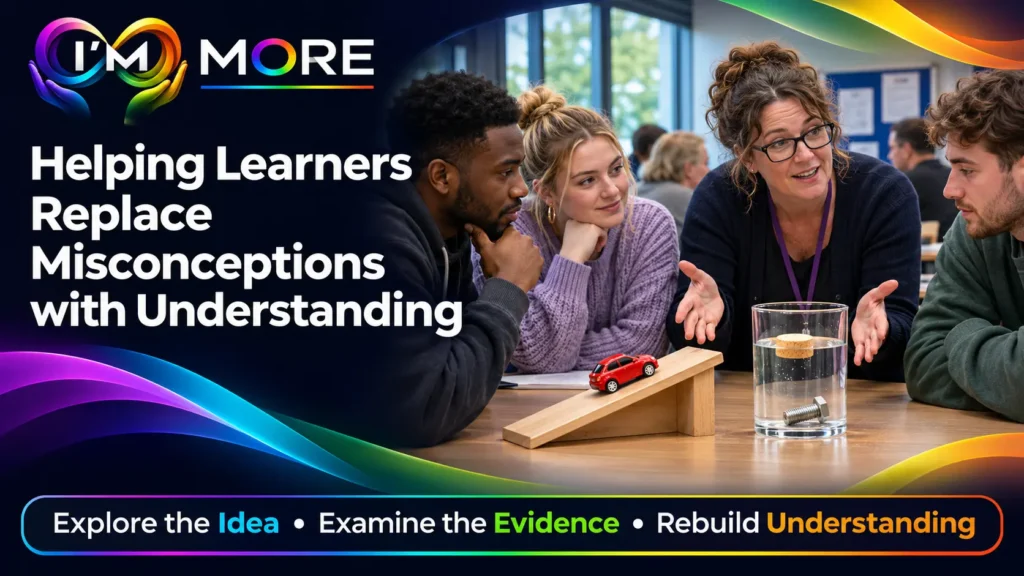
Addressing Learner Misconceptions A wrong answer can reveal more than a missed detail. Sometimes a learner is applying a rule that seems sensible but does not fit the subject. They may assume that a fraction with a larger denominator always represents a larger amount, or that a longer written answer must contain a stronger explanation. […]
Teaching Learners to Plan and Improve Their Writing

A learner may understand a topic and still struggle to put that understanding into writing. They might have several relevant ideas but no clear way to arrange them. Another learner may produce a long response that never explains its central point. Telling either person to add detail leaves the difficult decisions unexplained. Teaching writing means […]